
We humans like to believe that we have a sixth sense for what is real. Unfortunately, studies show that this “sense” mostly works like a coin toss when it comes to AI-generated images. But there is hope – and tools that can actually help you see through the illusion.
Table of content
We are fooled more easily than we think by AI
Microsoft recently conducted a huge test where over 12,000 people were asked to guess if images were real or AI-created. The result? We guessed correctly in about 62% of the cases. That is marginally better than chance. And it gets worse: we are more easily fooled by nature images than by faces. The human brain is simply better at recognizing human features than strange mountain formations and forest clearings that do not exist.
Be critical of images
AI images are spreading everywhere – in news feeds, on social media, and sometimes in outright fraud attempts. So it’s not just about strange images with six fingers. It can involve fake evidence photos, forged news photographs, and political propaganda. Learning to detect them is a form of self-defense on the internet.
Simple tricks to reveal if an image is AI or not
You don’t need to be a photo expert to get better at recognizing AI images. Here are some basic tips:
- Look at hands and faces. Extra fingers, melted ears, or symmetry that looks “too perfect” is a warning sign.
- Study the lighting. Illogical shadows or light that doesn’t seem to come from any natural source are often AI artifacts.
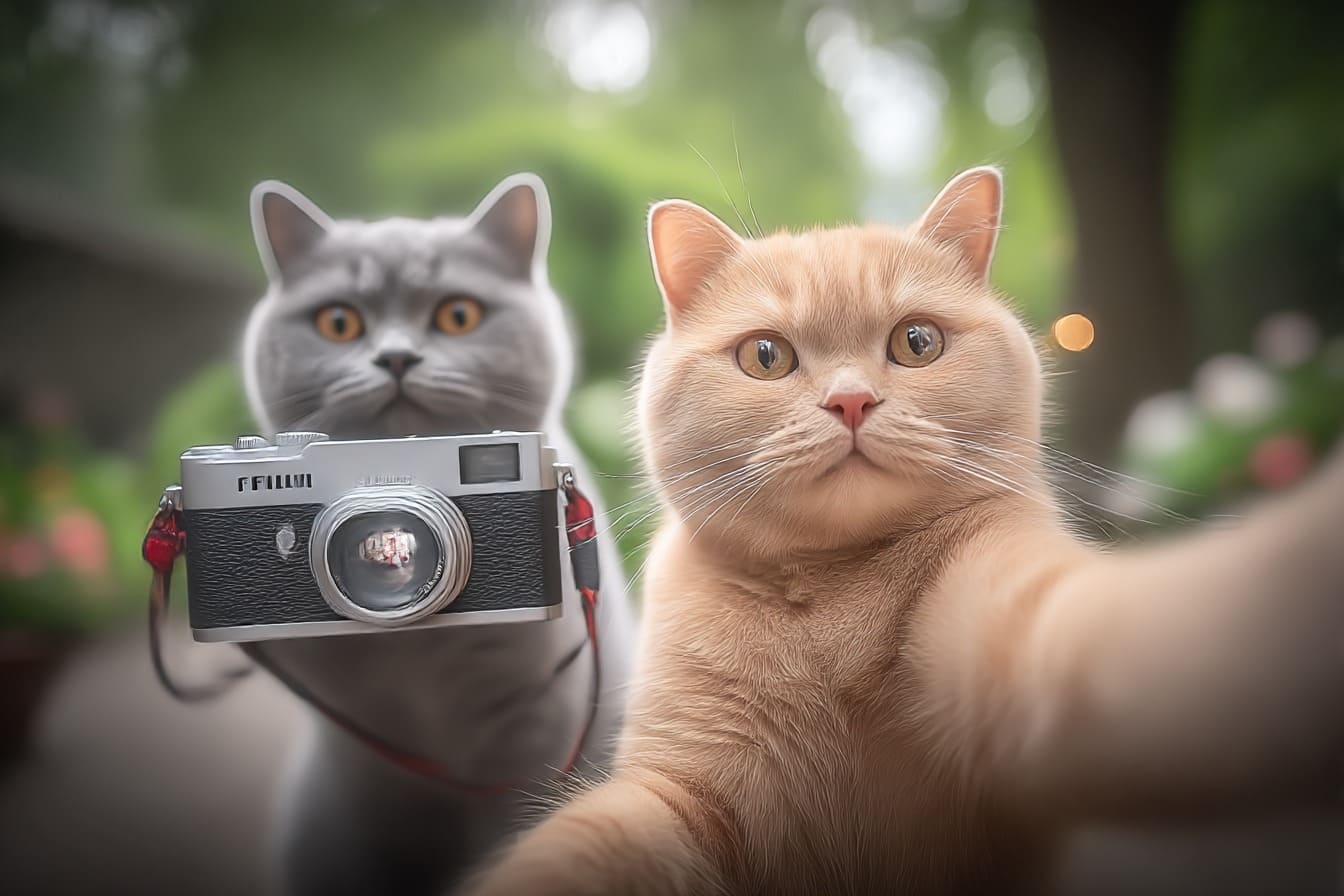
- Look at text in the image. Signs and letters are still a weak point for AI – often they become nonsense or have strange shapes.
- Zoom in on details. AI likes perfect surfaces, but real photos often have small natural imperfections.
List of online tools to reveal AI images
Luckily you don’t have to do it all yourself. There are smart tools that can analyze images for you. Here are some of the most useful:
Do you want more control yourself? Use Google Lens or TinEye to check if the image has appeared on the internet before. Real photos often have metadata (camera model, date, etc.), while AI images are usually missing such information.
What else can you keep in mind?
The best way to protect yourself is to combine tools with critical thinking. Ask yourself:
- Where does the image come from?
- Who benefits from me believing it is real?
- Are there other sources that confirm the same thing?
We can no longer trust that our eyes are always right – but with the right habits and tools you can become difficult to fool.