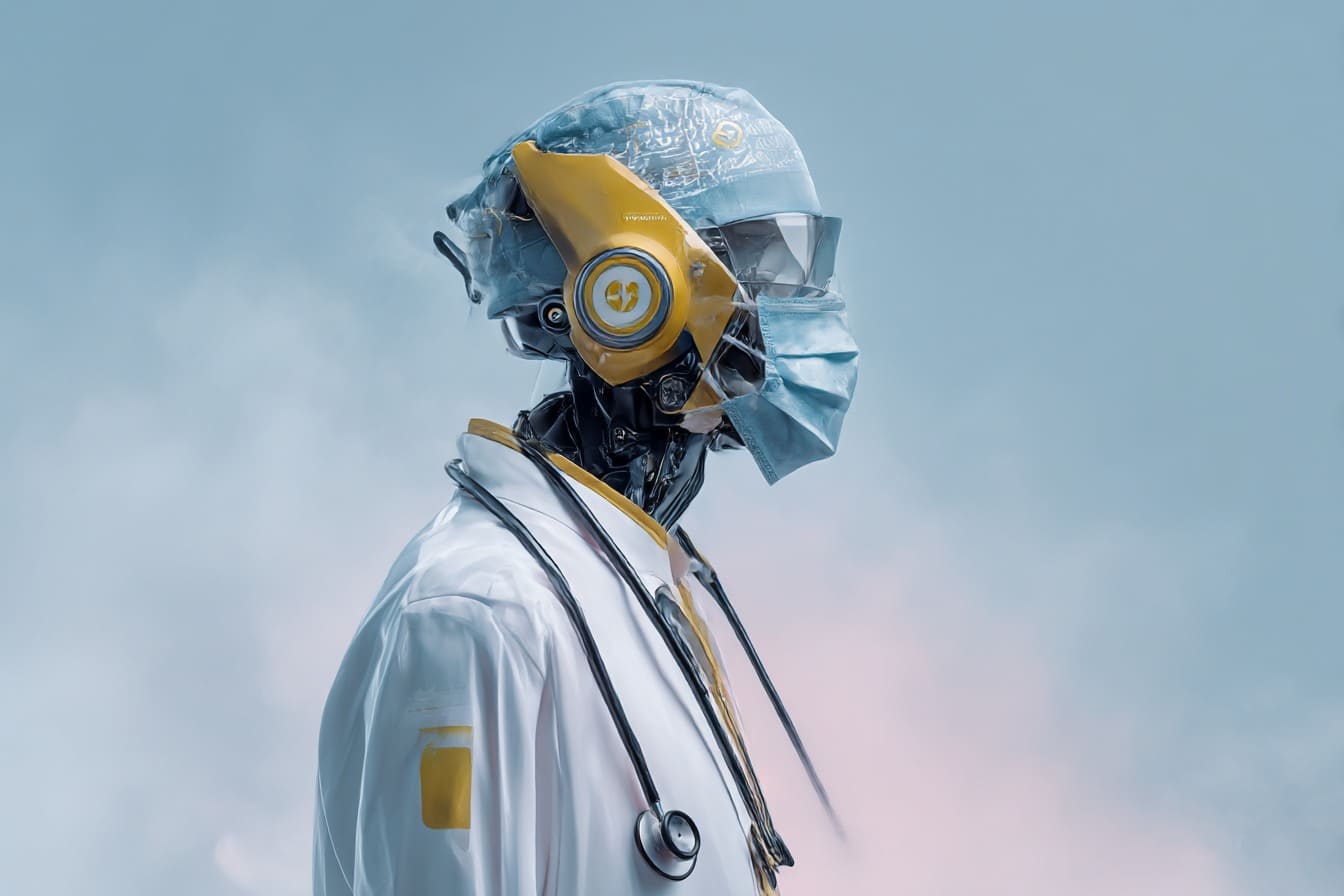

This is no longer science fiction. Microsoft has developed an AI machine worthy of an episode of House – but without the bitterness. The system is called MAI-DxO (Microsoft AI Diagnostic Orchestrator) and was tested with 304 extremely difficult patient cases, taken directly from the New England Journal of Medicine. Real thrillers where even the best doctors scratch their heads. The result? The AI reached the correct diagnosis in 85.5% of the cases. Human general practitioners managed only about 20%. Feels reassuring, doesn’t it?
Table of content
Several AI models think better than one
The clever thing here is that Microsoft hasn’t just thrown a single AI into the health center’s waiting room. No no. It’s about a whole AI symphony where different models – from OpenAI, Google, Meta, and others – play different roles. Imagine a virtual panel of AI doctors all arguing, reasoning, and comparing to arrive at the best possible diagnosis. Microsoft calls this a “chain of debate” – a chain of logical discussions, just like skilled doctors usually do in real life, minus the coffee breaks.
Each model gets a role: someone finds hypotheses, someone orders the right tests, and someone makes the final decision. This is AI on a level that makes Skynet look like Windows 95.
Cheaper, faster and a little scarier
Besides getting the diagnosis right significantly more often than an average general practitioner, the AI also managed to cut test costs by about 20%. That not only means getting the right answer but also avoiding wasting time on unnecessary blood tests and x-rays. More efficient than a health center in Västerås during the stomach flu season.
But sure, you can also feel a certain chill. What if the next step is that you just get a QR code, scan yourself into an AI room, and then get your diagnosis directly on your phone? For better or worse, maybe. But at the same time, human errors are precisely human errors, which we have seen brutal cases of in Sweden.
Research level still, reality in a few years
Microsoft has not yet unleashed the robot doctors into reality. This AI has so far only been tested in a lab environment. And the test was actually a bit unfair to the poor human doctors – they were not allowed to use any aids at all. No colleague to ask, no Google, not even a cup of coffee.
So, yes – AI impressed, but it also got a bit too many advantages in the test. To take the step into real healthcare, MAI-DxO needs to be tested in real environments, with real patients and real consequences. There is a difference between excelling in a controlled test and facing eye to eye a panicked person who does not know what is happening in their body. But human and AI combined becomes an entirely new superpower in healthcare.
The experts cheer but also raise warning signs
Eric Topol, a well-known expert in digital medicine, called the test “the first clear evidence that generative AI can work in healthcare.” These are big words. AI’s ability to reason like an entire medical team is a step toward what some call “medical superintelligence.”
But experts also warn. AI is not empathetic. It cannot interpret body language, tone of voice, worry in the eyes. It does not understand cultural differences or the patient’s fear. And, as always, there is a risk that blindly trusting a machine can have serious consequences.
So even though the technology looks promising, there is still a long way to go to replace human healthcare contact. It is not just about finding the right disease – but about understanding the whole person.
Sources
https://www.ft.com/content/149296b9-41b6-4fba-b72c-c72502d01800
https://microsoft.ai/new/the-path-to-medical-superintelligence
https://time.com/7299314/microsoft-ai-better-than-doctors-diagnosis